
Table of Contents
- What Exactly Is Vitamin A and Why Does Your Skin Need It?
- How Your Skin Absorbs Vitamin A—Topical vs. Dietary Sources
- Does Incorporating Vitamin A Really Make A Difference?
- What is Retinol?
- What Are Vitamin A Esters?
- Compare Retinol vs Vitamin A Esters: A Quick Guide to Choosing the Right Vitamin A
- The Right Way to Select Retinol vs. Vitamin A Esters for Healthy Skin
- If You're New to Vitamin A: Start with Vitamin A Esters
- Introduce Retinol Gradually (After Skin Builds Tolerance)
- The Advanced Routine: Combining Them for Maximum Benefits
- How to Transition to a New & Healthy Vitamin A Routine If You’re Already Using It:
- Final Thoughts: Choosing the Right Vitamin A for Your Skin
- FAQs
When I first started exploring retinol vs vitamin A esters for my skincare routine, I was overwhelmed by all the different options. I had no idea where to start—potent retinol or a gentler vitamin A ester? As an advanced esthetician, I know how confusing the skincare world can feel. You probably already know that vitamin A is a powerhouse for smoother, younger-looking skin. But which form is right for you? If you’ve tried retinol and experienced dryness or irritation, you’re not alone. With so many choices available, finding the best option for your skin can feel daunting. Let’s break down retinol vs. vitamin A esters so you can confidently choose what works for you!
What Exactly Is Vitamin A and Why Does Your Skin Need It?
Vitamin A is the cornerstone of healthy skin, essential for maintaining a resilient, youthful complexion. It comes in several forms, including retinol, retinaldehyde, and Vitamin A esters, each offering unique benefits. Research shows that daily replenishment of Vitamin A is crucial for normalizing skin function, supporting collagen production, and improving cell turnover. As one of the most studied and results-driven skincare ingredients, it has become a gold standard for reducing fine lines, evening skin tone, and protecting against environmental damage. Its widespread popularity stems from its ability to restore and maintain skin health at every level, making it a fundamental ingredient in modern skincare.
How Your Skin Absorbs Vitamin A—Topical vs. Dietary Sources
Vitamin A can be obtained in two main ways: through diet and skincare. In food, it comes from animal sources like liver, eggs, and dairy (as retinol) or from plant-based sources like carrots, sweet potatoes, and leafy greens (as beta-carotene, which the body converts into Vitamin A). In skincare, it is applied topically in forms such as retinol, retinaldehyde, and Vitamin A esters, helping to improve skin health by boosting cell turnover and collagen production.
Does Incorporating Vitamin A Really Make A Difference?
Vitamin A is one of the most studied ingredients in skincare for a reason. It supports cell turnover, refines texture, and helps improve overall skin resilience. Here are some before and after results of clients that have been using Environ's Vitamin A line:


What is Retinol?
Retinol is a highly effective form of Vitamin A that plays a vital role in supporting skin health and function. It works by normalizing skin processes, encouraging cell renewal, and stimulating collagen production to improve overall texture and resilience. When introduced gradually and consistently, retinol helps refine the skin, reducing the appearance of fine lines, uneven tone, and blemishes. A carefully formulated approach—focused on progressive Vitamin A application—allows the skin to adapt over time, minimizing irritation while maximizing long-term benefits.
Key Benefits of Retinol Include:

- Supports Skin’s Natural Processes – Helps regulate cell turnover for a balanced complexion
- Strengthens the Skin Barrier – Enhances resilience and defense against environmental stressors
- Reduces Signs of Aging – Softens fine lines and improves elasticity
- Promotes Even Skin Tone – Fades discoloration and brightens dull skin
- Encourages a Clearer Complexion – Helps reduce congestion and breakouts
- Optimizes Long-Term Skin Health – Works best when introduced gradually and consistently
What Are Vitamin A Esters?
When comparing retinol vs. Vitamin A esters, the key difference is intensity and gentleness. Vitamin A esters are gentler, more stable forms of Vitamin A that slowly convert into retinoic acid once absorbed by the skin. Unlike retinol, which can be more intense and irritating, esters like retinyl palmitate, retinyl acetate, and retinyl propionate break down gradually, allowing the skin to adapt over time. This makes them a great choice for sensitive skin or beginners looking to experience the benefits of Vitamin A—such as smoother texture, improved collagen production, and a brighter complexion—without the usual redness or dryness.
Key Benefits of Vitamin A Esters Include:
- Gentle & Gradual – Slowly converts into retinoic acid, reducing irritation
- Supports Skin Renewal – Encourages fresh, healthy skin over time
- Boosts Collagen – Helps improve elasticity and firmness
- Brightens Skin Tone – Fades dullness and discoloration
- Hydrating & Non-Drying – Less harsh than traditional retinol
- Perfect for Beginners & Sensitive Skin – A great way to introduce Vitamin A
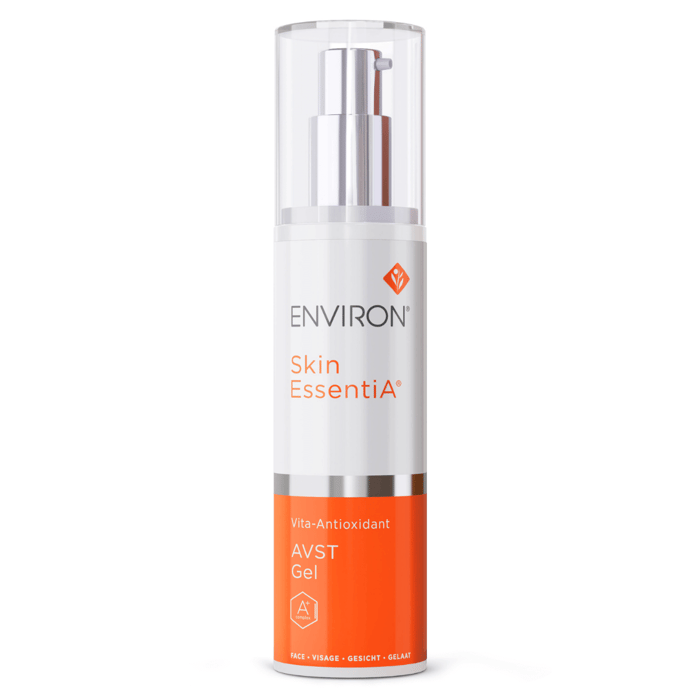
Compare Retinol vs Vitamin A Esters: A Quick Guide to Choosing the Right Vitamin A
Feature | Retinol | Vitamin A Esters |
|---|---|---|
Strength | Stronger, more potent | Gentler, slow releasing |
Speed of Results | Faster results, but requires adjustment | Slower, but less irritating |
Irritation Potential | Can cause dryness, redness & peeling | Lower risk or irritation, great for sensitive skin |
Best for Skin Type | Best for normal, oily and aging skin | Ideal for sensitive skin or beginners |
How it Works | Converts to retinoic acid in two steps, making it highly effective | Slowly converts to retinoic acid, making it more tolerable |
Hydration Potential | More drying, often requires additional hydration | Less drying, helps maintain hydration |
Sun Sensitivity | Increases sun sensitivity, SPF is a must | Less sun sensitivity but still requires SPF |
Recommended Use | Best used at night, introduced gradually (2-3x per week at first) | Can be used daily, easier to tolerate long-term |
The Right Way to Select Retinol vs. Vitamin A Esters for Healthy Skin
If You're New to Vitamin A: Start with Vitamin A Esters
Why? Esters (like retinyl palmitate, retinyl acetate, and retinyl propionate) are gentler and help your skin build tolerance to Vitamin A before introducing a stronger form.
How? Use Vitamin A esters daily in a serum and/or moisturizer to support skin renewal and hydration without irritation.
💫 Example AM & PM Routine:
- Prepare the skin in the morning & evening by cleansing and toning.
- Apply a Vitamin A ester serum and/or moisturizer.
- Follow with SPF.
Introduce Retinol Gradually (After Skin Builds Tolerance)
Why? Retinol works faster and deeper but can be irritating if used too soon.
How? Once your skin tolerates esters, start adding retinol 2-3 nights per week, alternating with Vitamin A esters to minimize irritation.
💫 Example AM & PM Routine:
- Prepare the skin in the morning & evening by cleansing and toning.
- Morning: Vitamin A ester serum and/or moisturizer followed by SPF.
- Evening (Every Other Night): Retinol serum or cream starting with 2-3x a week.
- Evening (Alternating Nights): Vitamin A esters for hydration and skin support.
The Advanced Routine: Combining Them for Maximum Benefits
Once your skin fully adapts, you can layer both ingredients strategically:
💫 Example AM & PM Routine:
- Prepare the skin in the morning & evening by cleansing and toning.
- Morning: Vitamin A esters (gentle hydration + skin support) + SPF
- Evening: Apply a Retinol Serum followed by a Vitamin A ester moisturizer buffer and support the skin.
💡 Pro Tip:
- If your skin feels dry or irritated, use Vitamin A esters serum on "off" nights instead of retinol.
How to Transition to a New & Healthy Vitamin A Routine If You’re Already Using It:
Why? Switching to a new Vitamin A routine can help you better address specific skin concerns, improve results, or find a gentler formula that works with your skin type. If your current Vitamin A product isn’t providing the desired outcomes or causing irritation, transitioning to a different line can support long-term skin health and help you achieve a more balanced, radiant complexion.
How? When switching to a new Vitamin A product, start by using it just 2-3 times a week. Gradually use it more often as your skin gets used to it. Always follow with a moisturizer to keep your skin hydrated.
💫 Example AM & PM Routine:
- Prepare the skin in the morning & evening by cleansing and toning.
- Morning: New Vitamin A esters (gentle hydration + skin support) + SPF
- Evening: Apply New Vitamin A retinol 2-3x a week and increase gradually after weeks 3-4. Start using your new Retinol Serum by week 5.
Final Thoughts: Choosing the Right Vitamin A for Your Skin
Choosing between retinol vs vitamin A esters ultimately depends on your skin’s needs. Retinol offers a potent, fast-acting option that can deliver visible results quickly, while vitamin A esters provide a gentler, more gradual approach that’s ideal for sensitive skin types. No matter which you choose, both forms of vitamin A are powerful tools for promoting a healthy, glowing complexion.
If you're unsure which one is right for your skin, consider consulting with a skincare professional who can guide you based on your unique needs.
Ready to elevate your skincare routine? Explore our selection of retinol and vitamin A ester products and discover the perfect match for your skin!
I hope this guide helps you feel more confident in your skincare choices. Remember, achieving healthy skin is a process, and we're here to guide you along the way.
Alexandra, Founder of The Curated Skin Studio
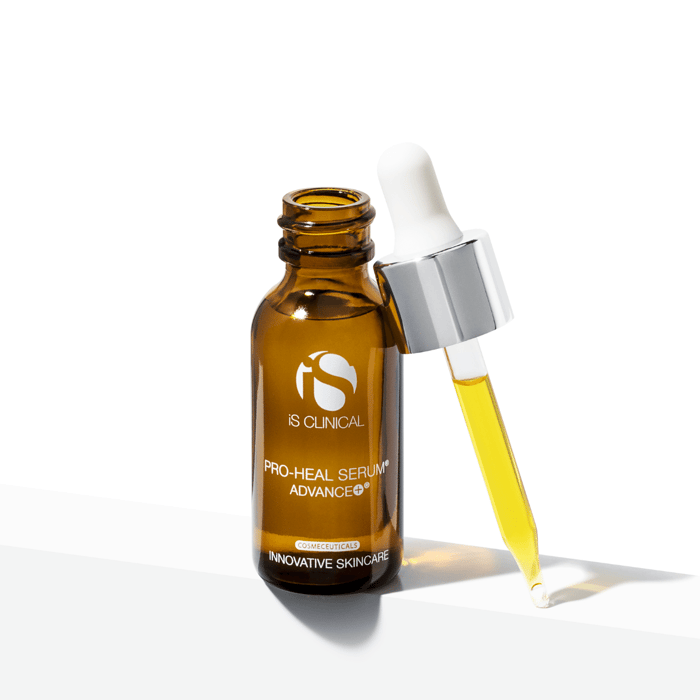
iS Clinical Pro-Heal Serum Advance+

$177.00
DESCRIPTION: iS Clinical Pro-Heal Serum Advance+ is a powerful antioxidant-rich serum designed to calm inflammation, strengthen skin immunity, and improve visible signs of aging. This advanced formula combines high-potency Vitamin C with Vitamins E, A, and botanical extracts to protect… read more
The Retinol Serum

$380.00
DESCRIPTION: The Retinol Serum by Augustinus Bader is a high-performance treatment designed to refine skin texture, boost collagen production, and target signs of aging. Powered by TFC8® technology, this potent formula delivers stabilized retinol alongside a blend of hydrating and… read more
FAQs
Can beginners use retinol or Vitamin A esters?
Beginners often start with Vitamin A esters because they are milder and allow the skin to build tolerance over time. Retinol can be used later once your skin adjusts, or under the guidance of a skincare professional.
Which is better for sensitive skin, retinol or Vitamin A esters?
Vitamin A esters are generally better for sensitive skin because they release retinoic acid gradually, reducing the risk of redness, peeling, or irritation that can occur with retinol.
What skin benefits do retinol and Vitamin A esters provide?
Both forms improve skin texture, stimulate collagen production, reduce fine lines, and promote a brighter complexion. The main difference is how quickly these benefits appear and how gently they work on the skin.
Can I use Vitamin A products with Vitamin C?
Yes! Vitamin A and Vitamin C can complement each other when used correctly. Vitamin C works well in the morning to brighten and protect the skin, while Vitamin A (retinol, retinaldehyde, or esters) works at night to renew and repair. You can link to Vitamin C serums and Vitamin A products to guide readers on combining them safely.
Can I use retinol and Vitamin A esters together?
It’s generally not necessary to use both simultaneously. Many people start with Vitamin A esters to build tolerance and later transition to retinol for faster results. Layering them together can increase the risk of irritation if not done carefully.
What is retinaldehyde?
Retinaldehyde is a form of Vitamin A that converts into retinoic acid in the skin. It is stronger than retinol but generally gentler than pure retinoic acid, making it an effective option for improving skin texture, stimulating collagen, and brightening the complexion while minimizing irritation.